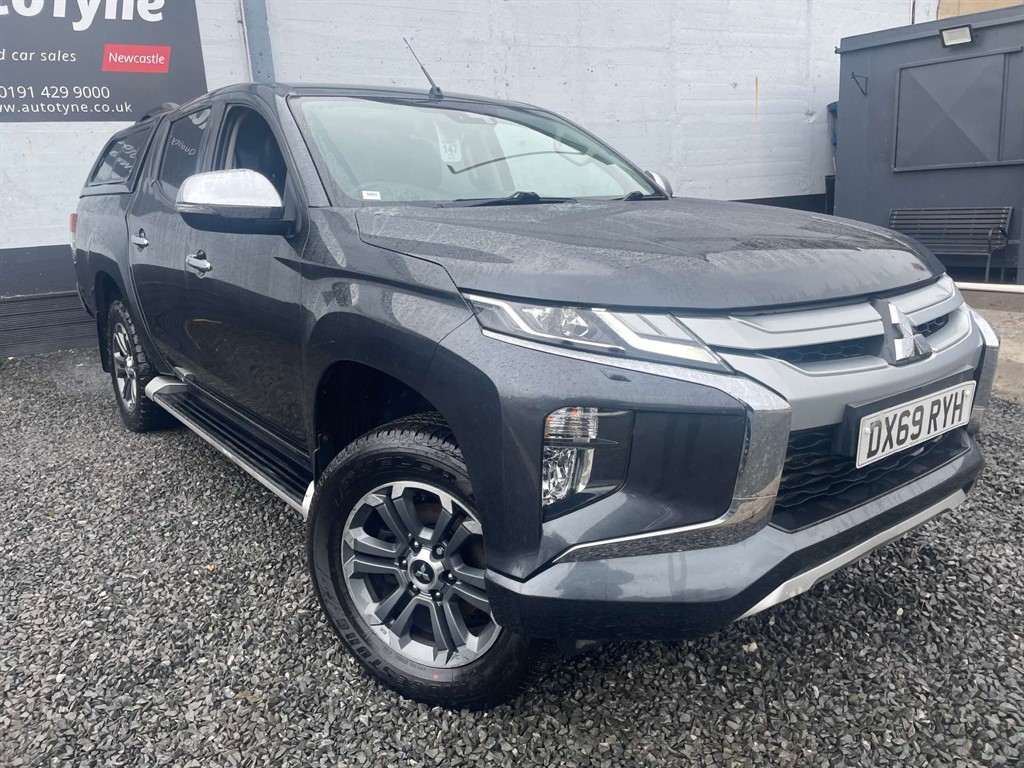
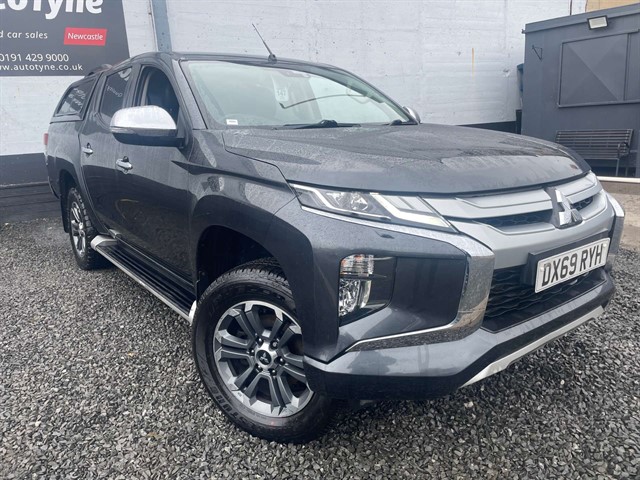
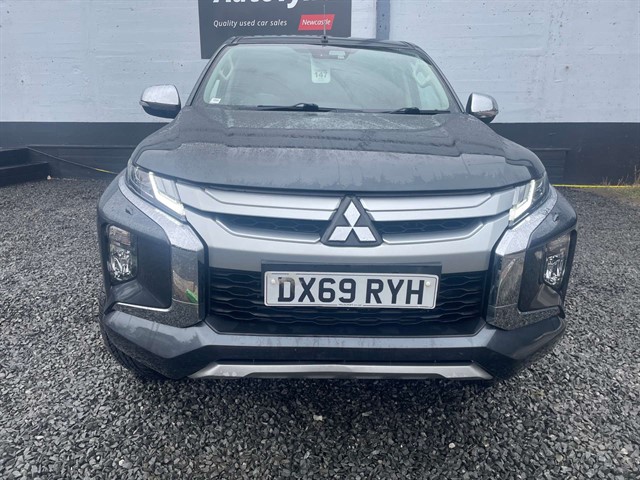
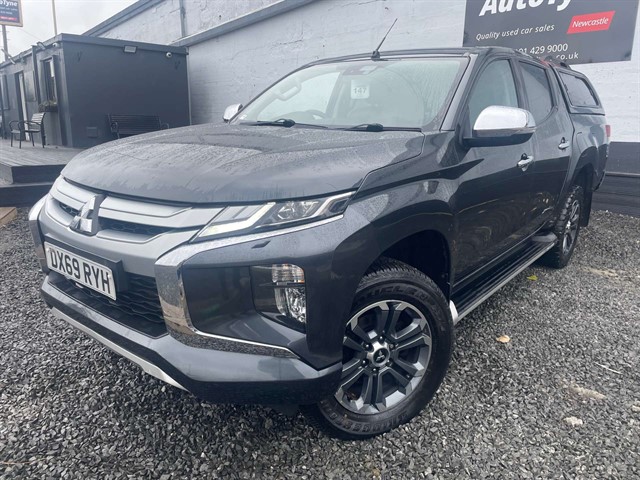
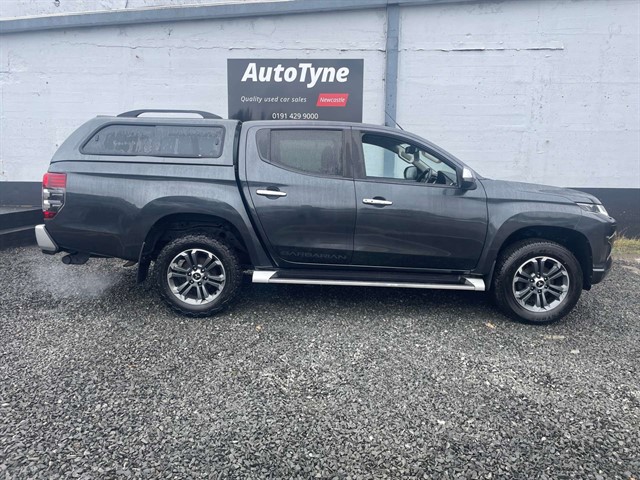
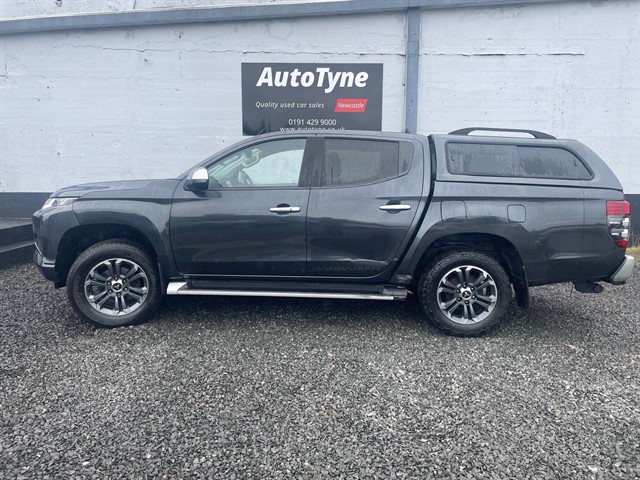
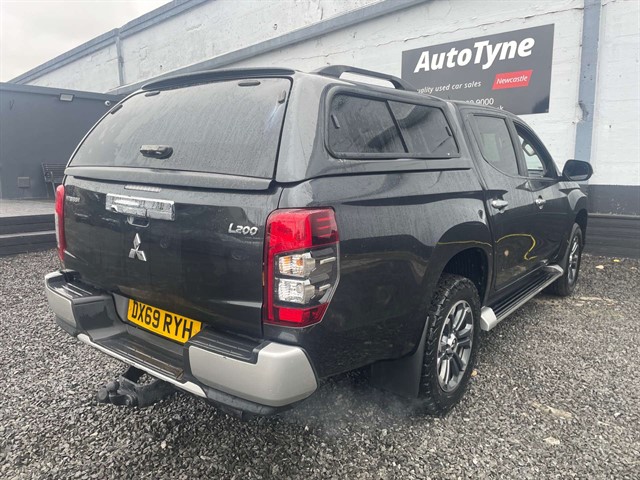
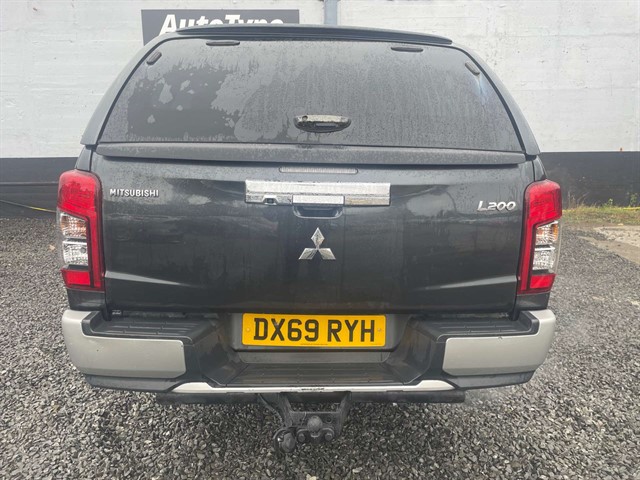
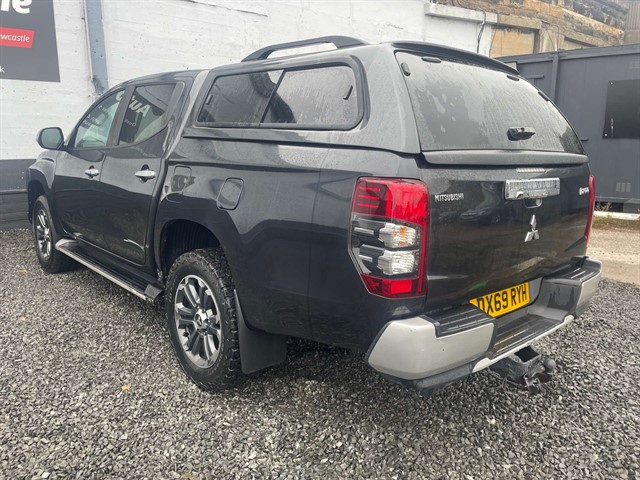
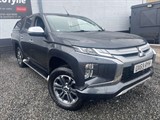
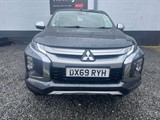

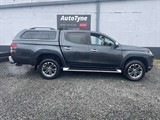
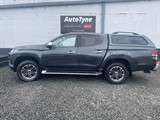
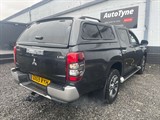
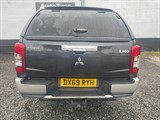
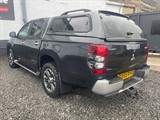

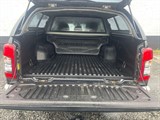
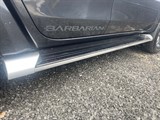
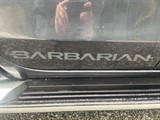
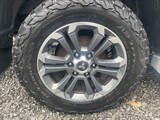

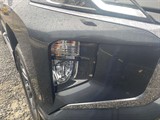
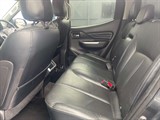
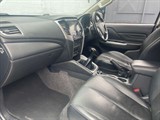
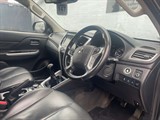

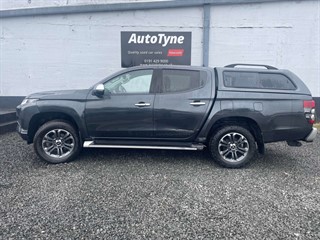
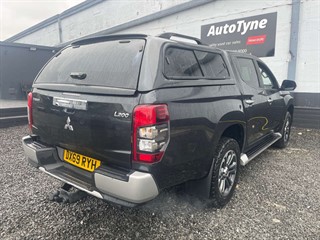
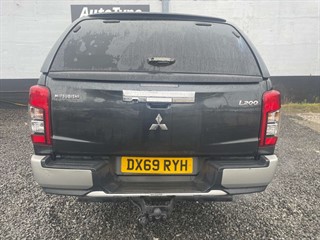
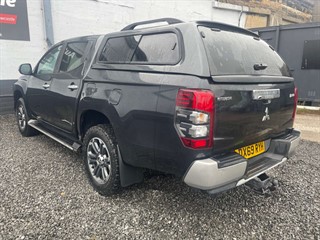
Mitsubishi L200
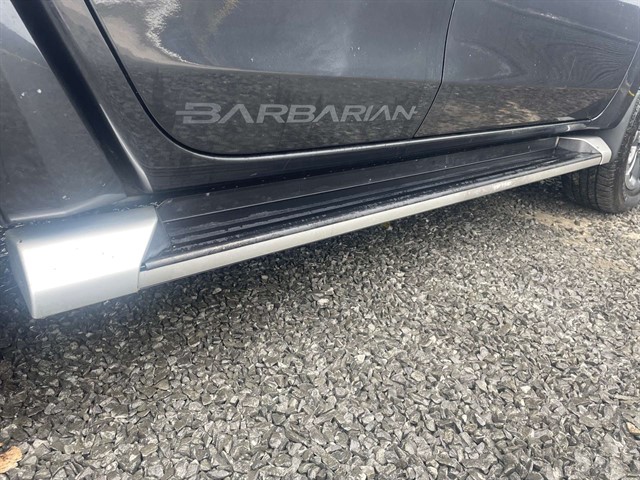
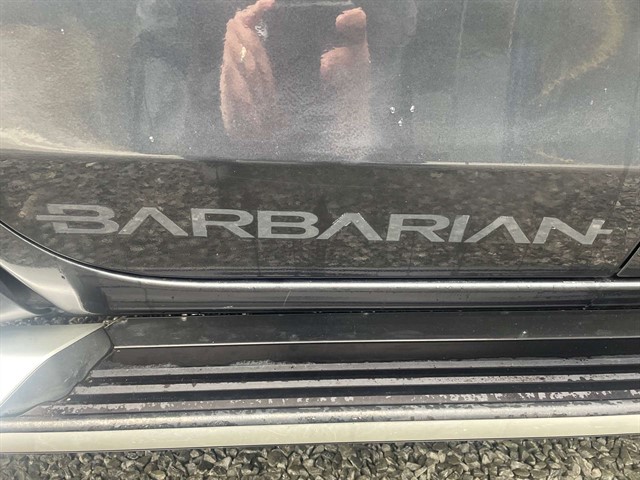
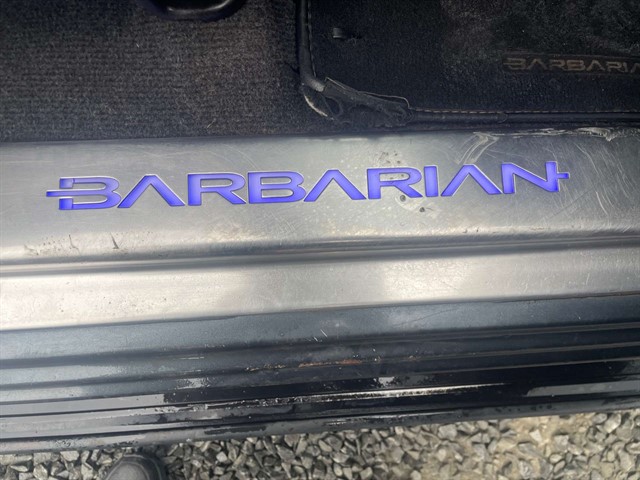
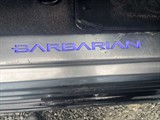
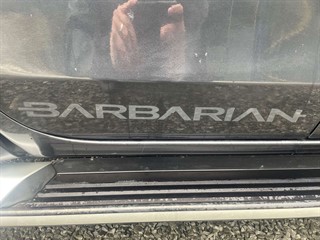
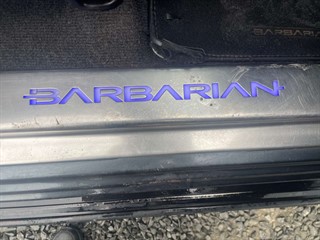
Barbarian DI-D 4WD
Save 6%
Was £15,395
-
ULEZ Compliant
-
Reg 2019 (69 reg)
-
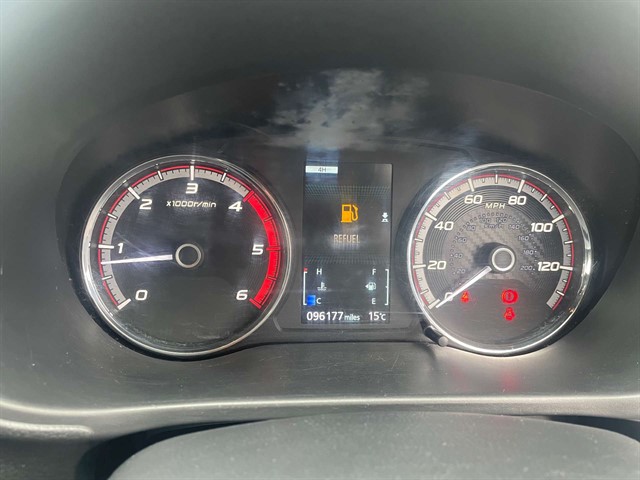
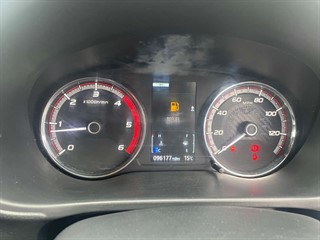
Odometer 96,177mi
-
Transmission Manual
-
Body Type Pick Up
-
Engine 2.3
L Diesel
Mitsubishi L200 Info
-
Reg 2019 (69)
-
Odometer 96,177mi
-
Transmission Manual
-
Body Type Pick Up
-
Fuel Type Diesel
-
Engine Size 2.3
L -
Doors 2
-
Road Tax (12m) £345
-
ULEZ Compliant Yes
-
MOT Expiry 07-10-2026
More about this Mitsubishi L200
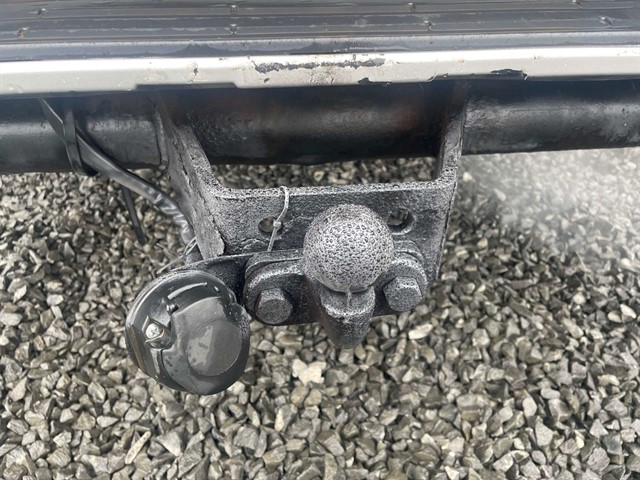
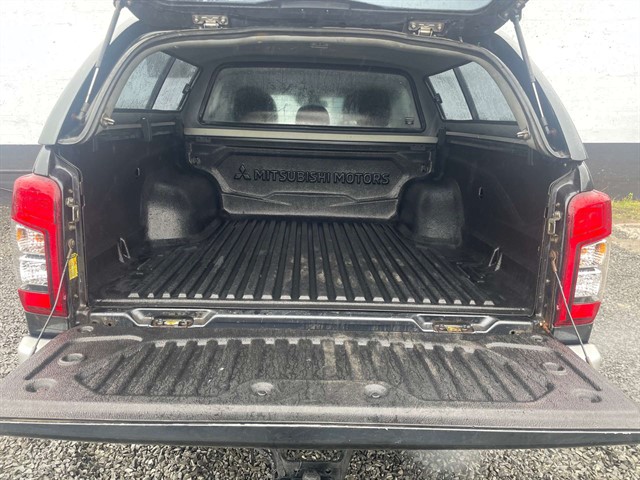
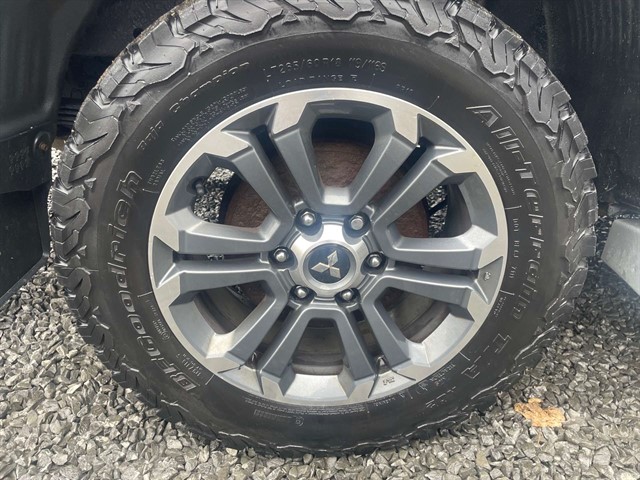
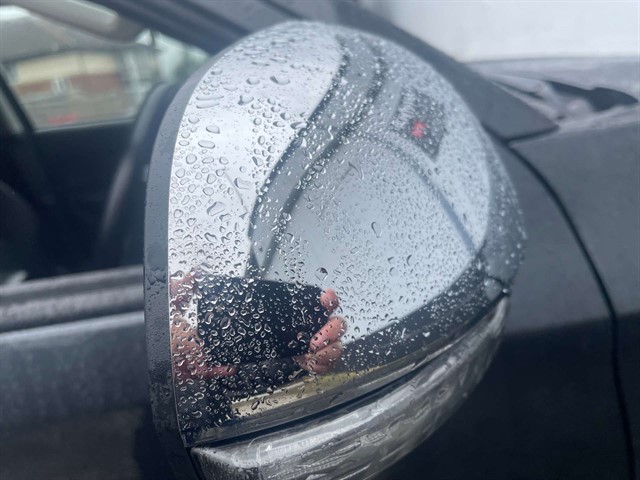
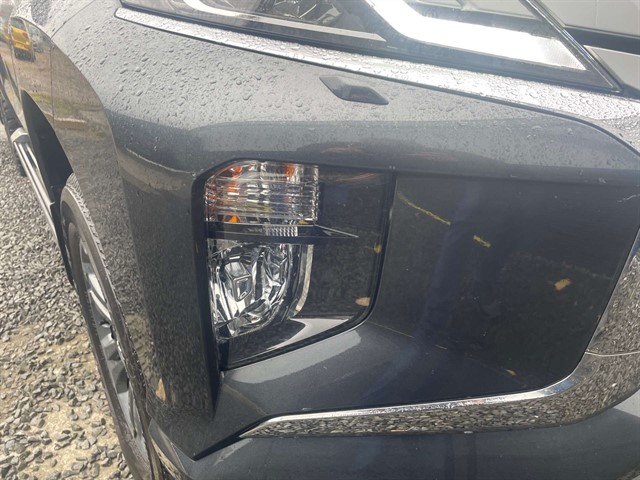
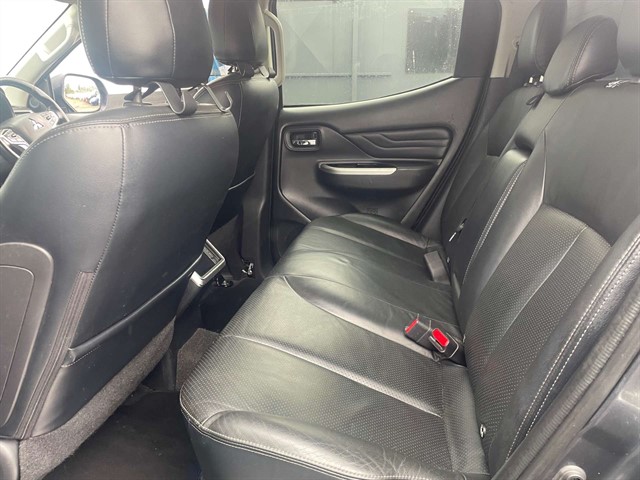
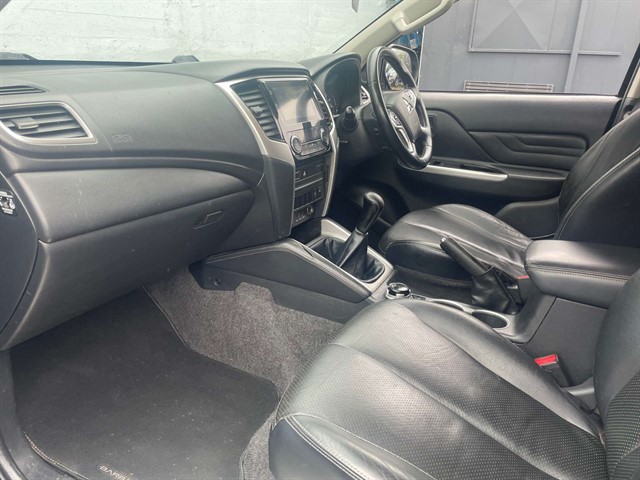
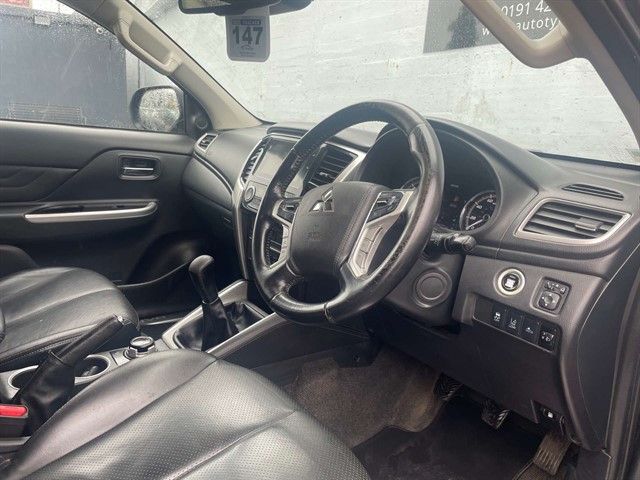
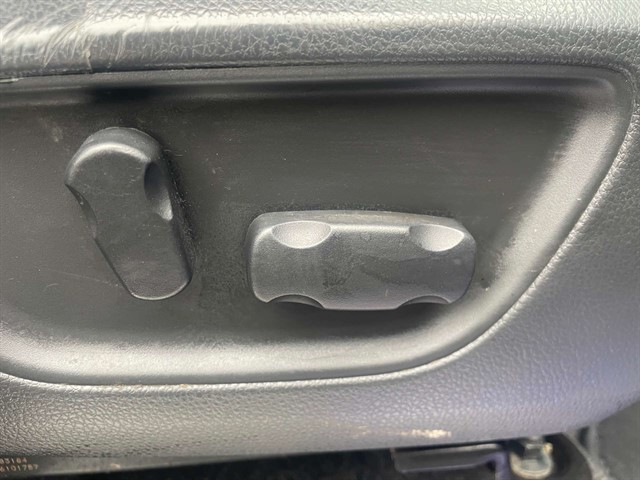
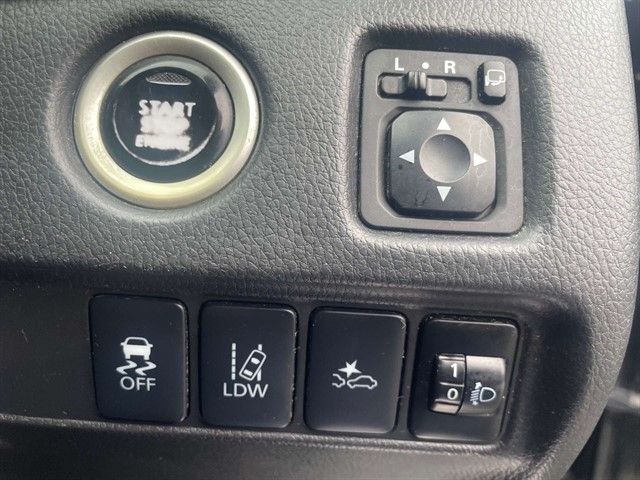
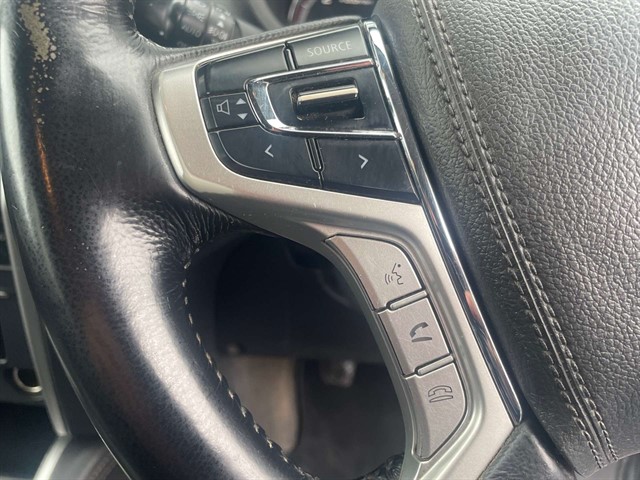
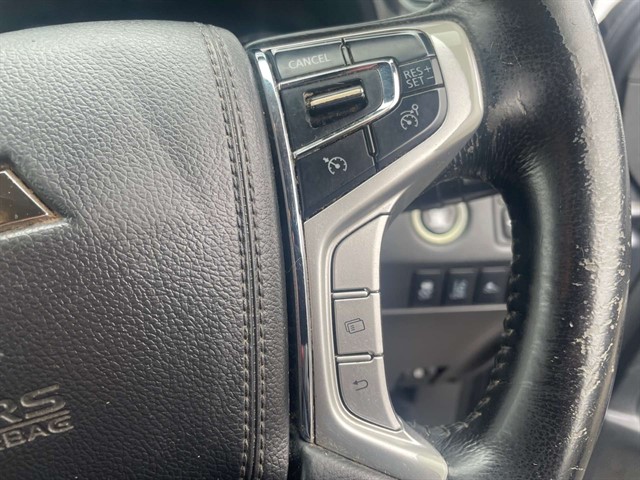
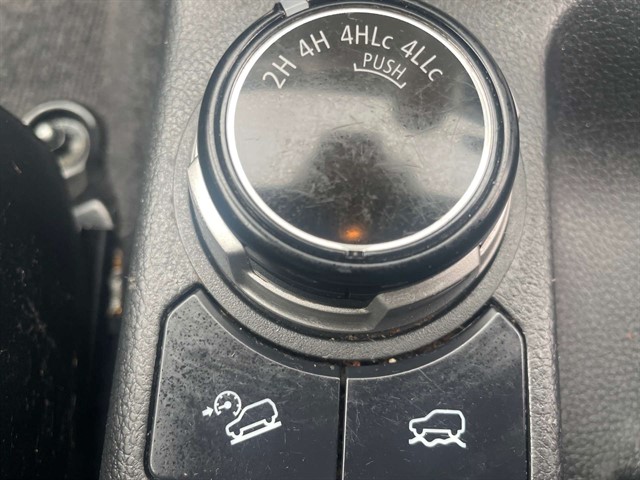
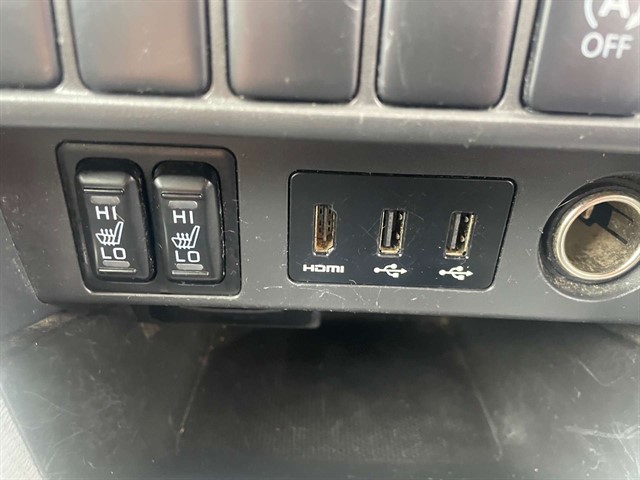
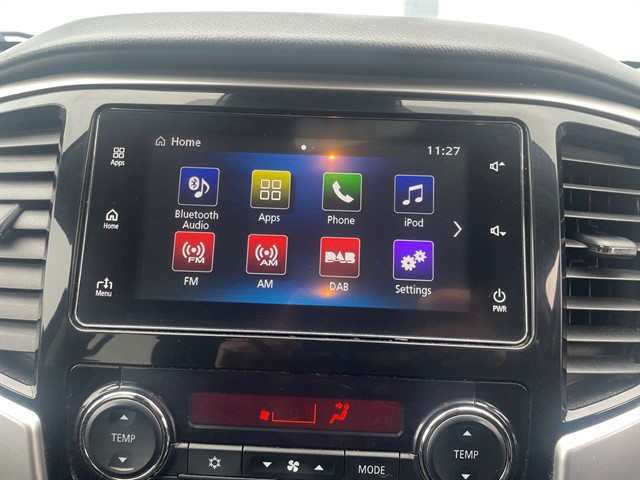
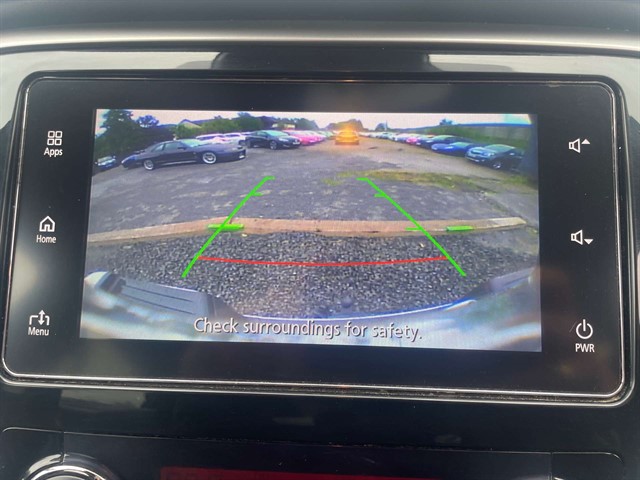
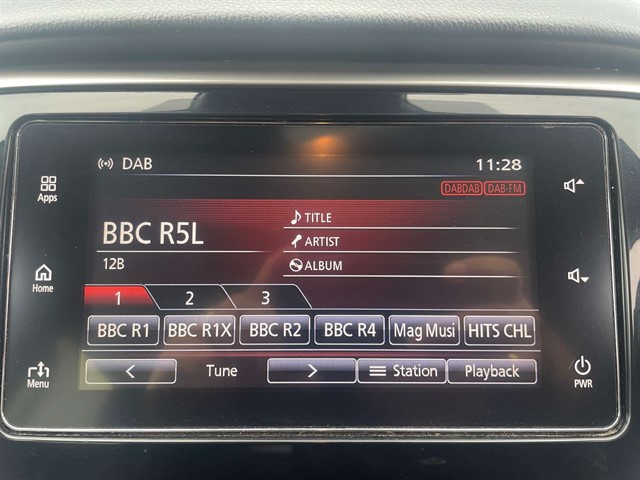
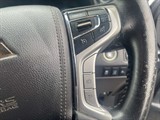
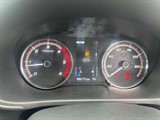
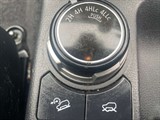
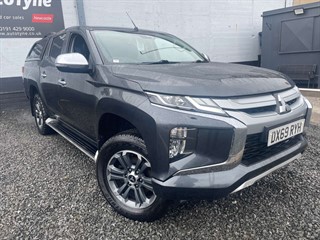
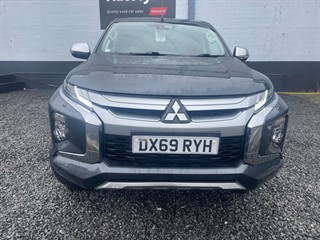
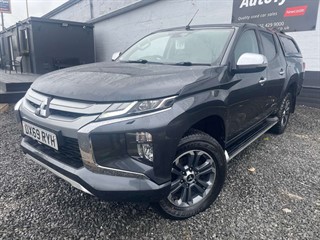
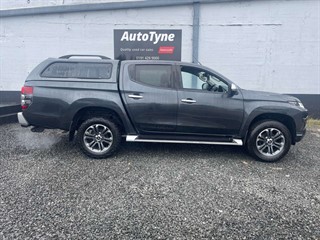
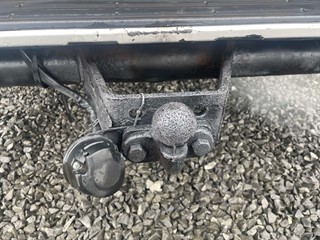
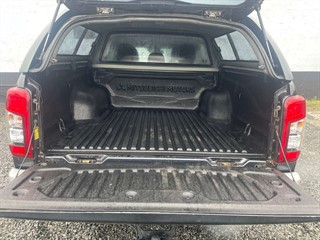
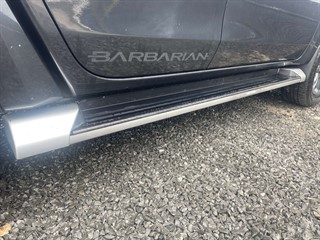
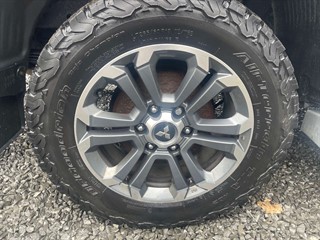
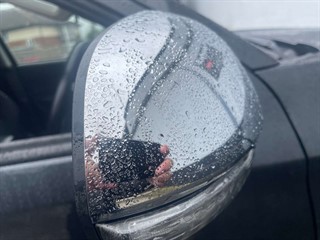
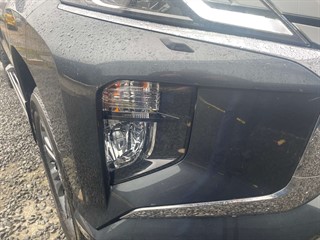
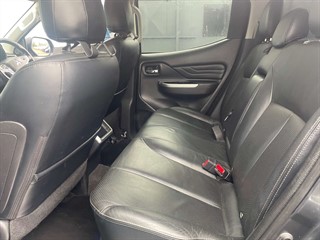
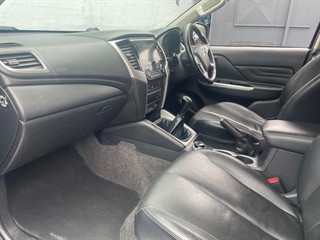
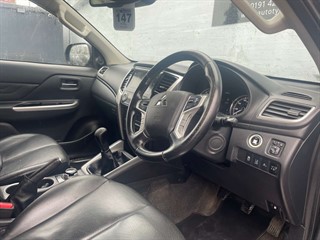
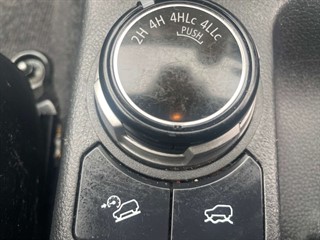
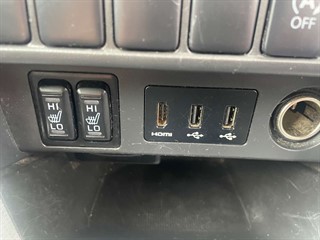
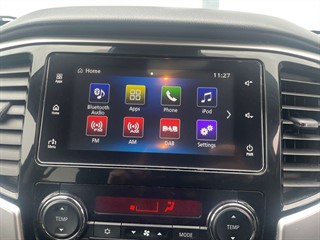
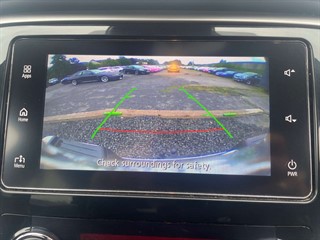
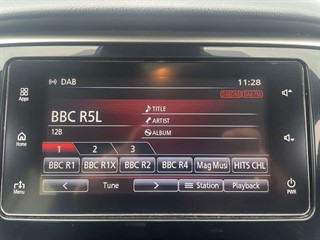
Introducing the Mitsubishi L200, a powerful and reliable pick-up truck that is ready to tackle any challenge. With a 2.3 L engine and 4WD capability, the L200 Barbarian DI-D is built to conquer both on and off the road. This particular model, finished in a sleek Grey colour, has had 2 owners and is in excellent condition. Whether you need a vehicle for work or play, the Mitsubishi L200 is the perfect choice. With its spacious interior, advanced technology features, and impressive towing capacity, this pick-up truck is designed to meet all your needs. Don't miss out on the opportunity to own a Mitsubishi L200 Barbarian DI-D 4WD. Contact us today to schedule a test drive and experience the power and performance of this exceptional vehicle for yourself.
Read Full DescriptionVehicle Features
View AllIntroducing the Mitsubishi L200, a powerful and reliable pick-up truck that is ready to tackle any challenge. With a 2.3 L engine and 4WD capability, the L200 Barbarian DI-D is built to conquer both on and off the road. This particular model, finished in a sleek Grey colour, has had 2 owners and is in excellent condition. Whether you need a vehicle for work or play, the Mitsubishi L200 is the perfect choice. With its spacious interior, advanced technology features, and impressive towing capacity, this pick-up truck is designed to meet all your needs. Don't miss out on the opportunity to own a Mitsubishi L200 Barbarian DI-D 4WD. Contact us today to schedule a test drive and experience the power and performance of this exceptional vehicle for yourself.
Once the car battery reaches 80% the speed of charge will slow down in order to help protect and optimise the overall battery life.
Most people stop charging their vehicles once the battery reaches 80% charge whilst using public fast chargers.
There are two main ways to charge an electric vehicle at home:
Home charge point: This is the most recommended and most common option. A home charge point is a dedicated device that is installed in your home and provides a faster charging speed than a standard three-pin plug.
Three-pin plug: This is typically only used occasionally and it will take much longer to charge your electric vehicle.
If you are looking for the fastest and most convenient way to charge your electric vehicle at home, then we recommend installing a home charge point.
A 7 kW home charging point is the most common type of home charging option for electric vehicles. It is faster than a domestic three-pin plug, delivering up to 7.4 kW of power compared to 2.3 kW.
To install a 7 kW home charging point, you will need to hire an electrician who is qualified to install electric home charge units. You will also need to have off-road parking (such as a driveway) where the charger can be installed.
Once the charger is installed, you can expect to get 20 to 30 miles of driving range per hour of charging. This means that if you charge your car overnight, you will have enough range for most daily commutes.
Here are some additional things to keep in mind when installing a 7 kW home charging point:
- The cost of installation will vary depending on the electrician and the location of the charger.
- You may need to upgrade your electrical circuit to accommodate the higher power demand of the charger.
- The charger should be installed in a dry, well-ventilated location.
Charging an electric car with a three-pin plug
- It is possible to charge an electric car using a standard three-pin plug socket, but this is not the most efficient way to do it.
- Three-pin plug charging is best used as an occasional or emergency option, and should not be used as your car's primary charging method.
- Three-pin plug chargers typically provide around 5-10 miles of driving range per hour of charging, which is much slower than a dedicated charging point.
- You will still need access to off-road parking where you can plug your car in.
- It is not recommended to use an extension cord when charging your car with a three-pin plug, as this can be a safety hazard.
If you are considering charging your electric car with a three-pin plug, I recommend that you speak to your car's manufacturer or a qualified electrician to get more information. They can help you determine if three-pin plug charging is the right option for you, and they can also advise you on how to do it safely.
Public charging points for electric cars are available in many places, including:
- Car parks: Public car parks, such as those at shopping centers and supermarkets, often have charging points.
- Motorway services: Many motorway services have charging points for electric cars.
- Roadside spots: There are also a growing number of roadside charging points, typically located near popular tourist destinations.
- Dedicated sites: There are also dedicated charging sites, similar to petrol stations, that are specifically designed for electric cars.
The availability of public charging points varies depending on the location. In the UK, there are over 60,000 public charging points, and the number is growing all the time.
When using a public charging point, it is important to check the type of charger and the cost of charging. Some chargers are free to use, while others charge a per-minute or per-kWh rate.
The cost of charging an electric car at a public charging point varies depending on the operator, the type of charger, and the location. In general, public charging is more expensive than home charging. However, some operators offer cheaper rates through monthly memberships.
Here are some of the factors that can affect the cost of public charging:
- Operator: Different operators charge different rates. Some operators offer flat rates, while others charge per minute or per kWh.
- Type of charger: Fast chargers are more expensive than slow chargers.
- Location: Charging at a motorway service station is more expensive than charging at a supermarket car park.
- Membership: Some operators offer cheaper rates to members.
Public charging points offer a variety of charging speeds, from slow to fast. The type of charger you need will depend on your car's battery capacity and how much time you have to charge.
- Slow chargers: Slow chargers are the most common type of public charging point. They typically charge at a rate of 3-7 kW, which means it can take several hours to fully charge a car. Slow chargers are a good option for overnight charging or for topping up your car's battery during the day.
- Fast chargers: Fast chargers charge at a rate of 7-22 kW, which means they can fully charge a car in about 2-4 hours. Fast chargers are a good option for long journeys or for charging your car quickly when you need to.
- Rapid chargers: Rapid chargers charge at a rate of 22-50 kW, which means they can fully charge a car in about 30 minutes. Rapid chargers are the fastest type of public charging point and are a good option for motorway services or for charging your car quickly when you are short on time.
Ultra Rapid
Ultra-rapid chargers are the fastest type of public charging point. They can deliver up to 150 kW of power, which is up to 50 times more than a typical home charging point. This means that they can charge an electric car from empty to full in just a few hours.
Ultra-rapid chargers are typically found at motorway services, fast food outlets, coffee shops, and new charging hubs. They are also becoming increasingly common in city centers and other urban areas.
Some of the latest electric vehicles can add over 120 miles of driving range in just 10 minutes when charged at an ultra-rapid charger. On average, most newer vehicles capable of taking ultra-rapid charging speeds will charge to 80% in around 20 to 35 minutes.
Rapid
Rapid chargers are a type of public charging point that are up to 7 times more powerful than a typical 7.4 kW home charging point. This means that they can charge an electric car much faster than a home charging point.
Rapid chargers are typically found at places like pubs, supermarkets, and public car parks. They are also becoming increasingly common at motorway services.
On average, most newer electric vehicles will charge to 80% in around 45 minutes to 1 hour 15 minutes using a rapid charger. This is much faster than the 4-8 hours it would take to charge the same car using a home charging point.
Fast
Fast chargers are a type of public charging point that can deliver a charging speed of either 7 kW or 22 kW. This means that they can charge an electric car much faster than a standard three-pin plug, but not as fast as a rapid charger.
Fast chargers are a good option if you have no access to home charging, or if you need to charge your car quickly while you are out and about. They are typically found in public car parks, supermarkets, and other busy areas.
On average, most electric cars will take 6 to 7 hours to fully charge using a fast charger. However, this time may vary depending on the car's battery capacity and the power of the charger.
Urban --
Extra Urban --
Combined --
Co2 Emissions 200 g/km
0 - 62mph --
Top Speed 108 mph
Max Power 148 bhp
Max Torque 89 lb-ft
Dimensions (mm)
Every effort has been made to ensure the accuracy of the above information, but errors may occur. Please check with a salesperson.